
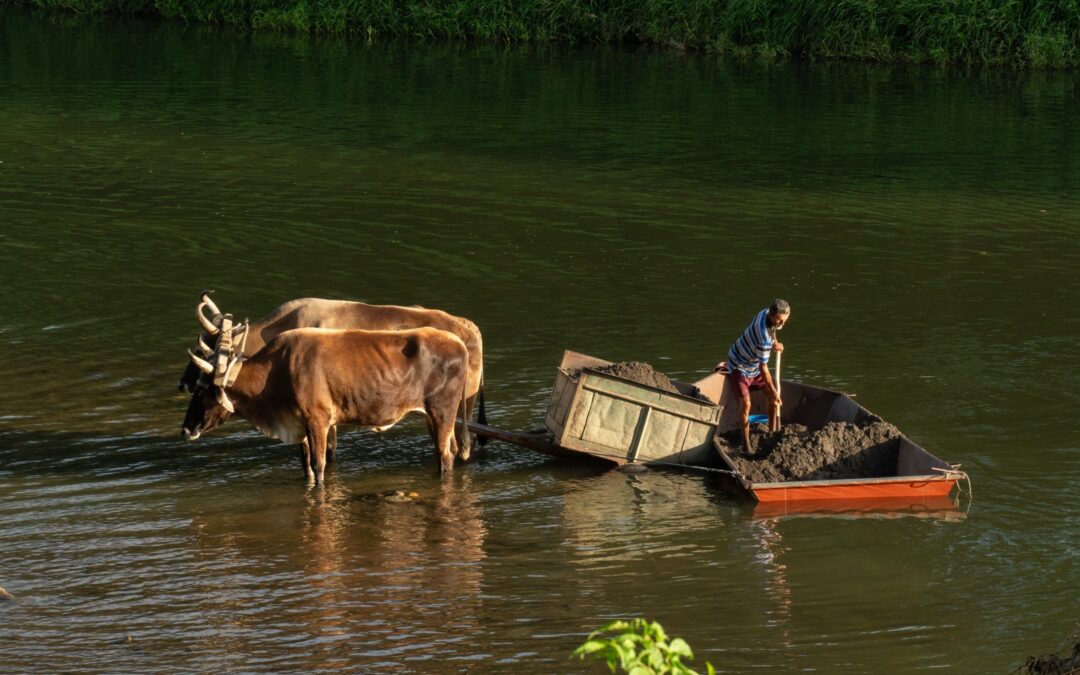
Every September 15, Costa Rica comes alive with blue, white, and red. Children walk through the streets carrying lanterns, school bands fill towns with music, and the national anthem is sung across the country. For visitors, it can seem like a colorful celebration. For Costa Ricans, it is a moment to remember how the country became what it is today.
Costa Rica’s independence was declared in 1821, when news of Central America’s independence from Spain finally reached the country. But independence was only the beginning. The newly independent nation still had to define its identity, create its institutions, establish its government, and decide what kind of country it wanted to become. Over the following decades, Costa Rica gradually developed a political tradition centered on civic institutions and democratic participation.
Much of the Costa Rica we know today was shaped by decisions that came long after independence. One of the most significant came in 1948, when the country abolished its permanent army. The decision was later incorporated into the Constitution, allowing Costa Rica to direct resources and attention toward areas such as education, health, and public institutions. It became an important part of the country’s identity and helped distinguish Costa Rica within a region with a very different history.
Another defining decision came through the country’s relationship with nature. Costa Rica’s forests, rivers, volcanoes, beaches, and wildlife had always been part of the landscape, but protecting them required deliberate choices. Beginning in the second half of the twentieth century, the country developed an extensive system of national parks and protected areas. Today, more than a quarter of Costa Rica’s territory is protected, a remarkable achievement that has helped preserve some of the country’s most important ecosystems.
This is something we sometimes forget when traveling through Costa Rica. A rainforest is not simply a beautiful backdrop. A national park is not just a place to visit. The wildlife, forests, rivers, and coastlines that travelers come to experience are also the result of decades of decisions about what should be protected and what kind of future the country wanted.
And that story is still being written.
Conservation in Costa Rica cannot stop with the creation of national parks. Forests need to remain connected, wildlife corridors need to be protected, communities need to benefit from conservation, and the country’s oceans and coastal ecosystems need greater attention. The challenge today is not simply preserving what remains, but finding ways for people and nature to thrive together.
This is where tourism can become part of the story. The way we travel can either place more pressure on the places we visit or help strengthen the communities and initiatives working to protect them. Choosing local businesses, traveling with knowledgeable guides, respecting protected areas, supporting conservation projects, and taking the time to understand the landscapes we explore can make a meaningful difference.
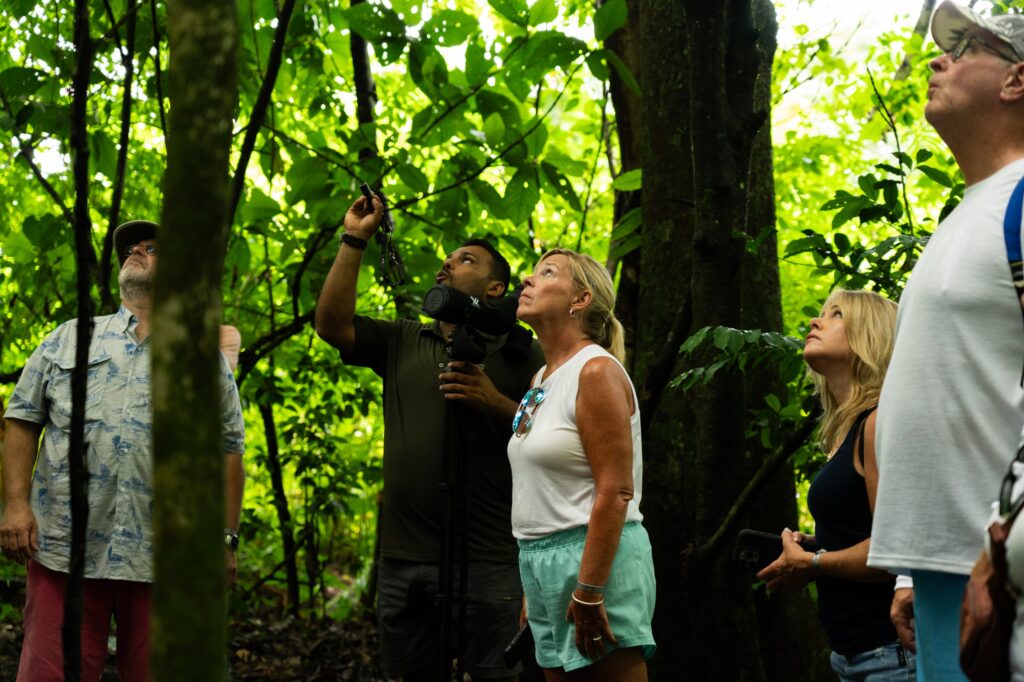
We believe that traveling through Costa Rica is about more than checking places off a list. It is an opportunity to understand the story behind them and to recognize that the country we experience today is the result of generations of choices.
On September 15, Costa Ricans celebrate the independence that began that journey. But perhaps the deeper meaning of the day is the reminder that every generation has a role in deciding what comes next.
Costa Rica was shaped by the choices of those who came before us.
Now, it is our turn to choose what we leave behind.